Backman Font: A Bold Statement in Modern Design
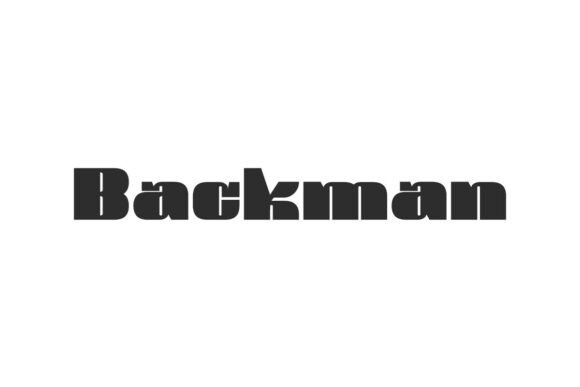
In the ever-evolving world of typography, certain fonts rise to prominence not just for their aesthetic appeal but for their ability to communicate strength, authority, and clarity. One such typeface is Backman, a heavy-hitting, ultra-bold slab serif that has quickly become a favorite among designers across various industries. With its blocky letterforms and sharp terminals, Backman commands attention and brings a contemporary industrial edge to any design project.
What Makes Backman Unique?
Backman stands out due to its structural integrity and visual weight. Designed with massive strokes and a robust silhouette, it ensures legibility even from a distance — a key feature when it comes to outdoor signage or poster design. Unlike many traditional slab serifs that lean into a more nostalgic or vintage feel, Backman offers a modern interpretation with subtle angular details that reflect an urban and utilitarian sensibility.
This font isn't just about looking good; it's built to perform. Its high-contrast geometry makes it adaptable to both digital and print media, while maintaining a consistent level of impact. Whether used in branding, editorial layouts, or promotional materials, Backman delivers a premium presence that aligns with today’s expectations for bold and confident communication.
The Power of Slab Serifs in Contemporary Design
Slab serif fonts have made a significant comeback in recent years, especially in sectors where brands want to convey reliability, tradition, and strength. From luxury fashion to automotive marketing, these fonts are often chosen for their commanding appearance and timeless readability. Backman fits seamlessly into this trend, offering a fresh take on the classic style that feels both grounded and forward-thinking.
Its thick, solid strokes provide a sense of permanence and trustworthiness, making it ideal for logos and headlines that need to make an immediate impression. The subtle sharpness in its terminals gives it a distinct personality — one that resonates with audiences seeking authenticity and power in visual storytelling.
Why Designers Are Turning to Backman
Designers are increasingly drawn to fonts like Backman because they align with current creative and business trends that emphasize strong brand identity and visual hierarchy. In a crowded marketplace, standing out is essential, and typography plays a crucial role in capturing attention and reinforcing messaging.
- High-Impact Branding: Brands in the sports, fitness, and lifestyle industries use Backman to create logos that exude energy and confidence. Its boldness allows for clear recognition, even at smaller sizes or from afar.
- Editorial Excellence: In magazine and newspaper design, headlines must cut through the noise. Backman’s clean, aggressive structure makes it perfect for leading readers’ eyes through complex layouts without overwhelming the content.
- Outdoor Signage: With its emphasis on legibility and contrast, Backman is frequently selected for billboards, transit ads, and storefront signs. It performs exceptionally well under varied lighting conditions and distances, which is critical for effective wayfinding and advertising.
Moreover, the font's versatility allows it to be paired with contrasting styles. For instance, combining it with a clean, high-contrast sans-serif can balance its heaviness and create a professional, modern layout. Alternatively, layering it with textures and distressed effects can evoke a vintage, letterpress-style look — a popular aesthetic in the indie and craft beer markets, among others.
Trends Driving the Popularity of Bold Typography
The growing preference for minimalism in design doesn’t mean that bold fonts are obsolete. On the contrary, they’ve found renewed relevance as part of a larger movement toward intentional, impactful visuals. Consumers today are bombarded with information, and brands must find ways to cut through the clutter. Backman helps achieve that by offering a typographic solution that is both memorable and authoritative.
Another trend fueling interest in Backman is the shift toward experiential branding. Companies are no longer just selling products — they’re selling experiences, values, and identities. Typography plays a pivotal role in shaping how these messages are perceived. The weight and presence of Backman help reinforce brand personas that are strong, reliable, and unapologetically bold.
Additionally, in the realm of digital marketing, the importance of mobile responsiveness and quick visual scanning has increased. Fonts that can maintain their impact across different screen sizes and resolutions are in demand. Backman meets this need by delivering a strong visual anchor that remains legible and compelling whether viewed on a smartphone or a large monitor.
Practical Applications of Backman
Let’s explore some real-world examples of how Backman can elevate design projects:
- Sports Logos: Many sports teams and athletic brands use Backman to craft logos that scream intensity and competitiveness. The font’s muscular forms and angular edges mirror the physicality and grit associated with sports culture.
- Rugged Apparel Brands: Outdoor and streetwear brands often rely on typography to establish their visual language. Backman complements imagery of concrete, steel, and raw materials, helping to build a cohesive brand identity rooted in strength and durability.
- Motion Graphics and Video Titles: In video production, especially for documentaries, commercials, and event promotions, Backman adds a cinematic punch. Its boldness works well in slow-motion title sequences and can easily be animated for dynamic visual effects.
- Event Posters and Promotional Materials: Festivals, product launches, and conferences benefit from using Backman for headlines and taglines. The font’s ability to hold up in both color and black-and-white printing makes it a practical choice for multi-channel campaigns.
Adapting to Changing Workflows and Expectations
As the design industry embraces more streamlined workflows and cross-platform consistency, the need for versatile, high-performance fonts has never been greater. Backman excels in this space by being compatible with a wide range of applications, from web design tools like Adobe XD and Figma to print software such as Illustrator and InDesign.
Its adaptability also extends to accessibility standards. With its high stroke contrast and open apertures, Backman supports better readability for users with varying visual abilities. This aligns with the broader push toward inclusive design practices that prioritize usability alongside aesthetics.
Furthermore, as remote work and digital collaboration become the norm, the importance of fonts that render consistently across devices and platforms is critical. Backman’s performance in responsive environments ensures that your message looks powerful and professional regardless of where it’s viewed.
Connecting Backman to Larger Industry Shifts
The popularity of Backman is not isolated but reflects a broader evolution in design thinking. As businesses and creators seek to differentiate themselves in saturated markets, they’re turning to typography as a strategic tool rather than a mere decorative element. This shift underscores the value of fonts like Backman, which offer both functional utility and expressive potential.
Technologically, we're seeing advancements in variable fonts and font pairing tools that allow for more nuanced control over typographic expression. Backman benefits from these innovations by enabling designers to fine-tune weights and spacing to suit specific contexts — from subtle variations in editorial design to full-on statement pieces in branding collateral.
From a consumer perspective, there's a growing appreciation for authenticity and craftsmanship. Fonts that embody these qualities — like Backman, with its industrial-inspired form — resonate deeply with audiences who are tired of generic, overly polished designs. They crave something real, something that speaks to the essence of a brand or message.
Backman as Part of the Creative Ecosystem
When considering the creative ecosystem, Backman serves as a bridge between traditional typography and modern design needs. It respects the legacy of slab serifs while embracing the demands of contemporary branding, editorial design, and multimedia storytelling.
For entrepreneurs launching new ventures, especially in niches like urban apparel, tech startups, or health and wellness, having the right font can significantly influence brand perception. Backman provides that edge — a visual cue that signals confidence and innovation before a single word is read.
Marketers, too, are leveraging the font’s inherent authority in campaign assets. From email headers to social media banners, Backman helps ensure that key messages aren’t lost in translation. It’s a font that doesn’t just fit the design — it elevates it.
Conclusion
Backman is more than just another bold font; it’s a typographic powerhouse that meets the needs of today’s design professionals head-on. Its combination of structural solidity, modern flair, and unmatched legibility positions it as a go-to choice for those who want to make a lasting impression. Whether you're crafting a logo for a high-end fashion label or designing a magazine cover that turns heads, Backman brings the kind of gravitas that few fonts can match.
As design continues to evolve, so does the role of typography in storytelling and user experience. Fonts like Backman are at the forefront of this change, empowering creators to deliver messages with clarity, confidence, and creativity. By understanding the context and purpose behind each design decision, professionals can harness the full potential of Backman and similar typefaces to stay ahead in a competitive landscape.