Graduate Academic: A Bold Slab Serif Font for Creative and Professional Projects
Fonts play a crucial role in design, often shaping how a message is received even before it’s read. When you're working on something that needs to stand out—whether it's a brand identity, a presentation, or a personal project—you want a typeface that feels confident yet approachable. That’s where Graduate Academic comes in. This modern slab serif font blends strength with warmth, making it an excellent choice for a wide range of uses.
What Makes Graduate Academic Unique?
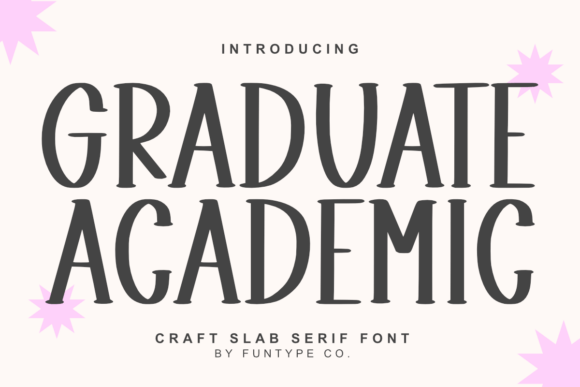
Slab serif fonts are known for their sturdy appearance and readability. But what sets Graduate Academic apart is its contemporary twist. The letterforms have a clean, structured look without being too rigid, and the subtle detailing gives it personality. It’s not just another bold font; it’s one that can adapt to different styles and purposes while maintaining a professional edge.
The name itself hints at its versatility. “Academic” suggests clarity and formality, but “Graduate” adds a touch of achievement and aspiration. Together, they create a font that feels both scholarly and stylish—a perfect balance for today’s creative professionals and everyday users alike.
For Graphic Designers and Branding Experts
Graphic designers often need fonts that can anchor a brand’s visual identity. Graduate Academic is ideal for logos, packaging, and promotional materials that require a strong presence. Its slab serifs give it a grounded feel, while the overall structure allows for easy customization through weights and spacing.
- Logos: Use it as a primary font for brands in education, publishing, or lifestyle sectors that want to appear trustworthy yet modern.
- Product Packaging: Pair it with a minimalist sans-serif for contrast, especially if the product appeals to young adults or has a premium feel.
- Marketing Collateral: From brochures to social media graphics, Graduate Academic helps text pop while still being legible at various sizes.
Crafters and DIY Enthusiasts
If you’re into crafting, calligraphy, or handmade goods, typography choices matter. Graduate Academic brings a polished, elegant look to your creations. Whether you're designing labels for homemade candles, stickers for a handmade journal, or invitations for a special event, this font offers a timeless appeal that fits right in with artisanal aesthetics.
Real-life example: A local candle maker recently switched from a basic script font to Graduate Academic for her packaging. She noticed more customers stopping to read the label, which increased engagement and sales. The font added a sense of quality and professionalism that elevated her brand image instantly.
Bloggers and Content Creators
Blogging platforms and content websites benefit from fonts that are both readable and visually appealing. While most blogs use sans-serif fonts for body text, using Graduate Academic for headings, titles, or pull quotes can make your content more engaging and memorable.
Consider using it for:
- Featured post titles to draw attention,
- Category headers to organize content clearly,
- Call-to-action buttons for a bold and inviting effect.
Its friendly tone makes it suitable for niche blogs like educational resources, book reviews, or lifestyle guides. It doesn’t overwhelm the reader, but it does command focus when needed.
Entrepreneurs and Small Business Owners
As an entrepreneur, every detail counts. Your website, business cards, or product listings should reflect professionalism and reliability. Graduate Academic provides a clean and authoritative look that aligns well with startups, boutique businesses, and online shops.
Imagine a small tutoring company using this font in their branding. It conveys intelligence and approachability, which is exactly what parents and students would expect. Similarly, a new coffee shop could use it in signage or menus to communicate a warm, yet sophisticated vibe.
Educational Institutions and Learning Platforms
Schools, universities, and e-learning platforms often rely on fonts that exude knowledge and credibility. Graduate Academic fits the bill perfectly. It’s used by educators to create course banners, certificates, and even digital learning modules.
- Certificates: Its classic structure makes it ideal for graduation announcements or workshop completion badges.
- Course Headers: When designing syllabi or course pages, using Graduate Academic for section titles improves hierarchy and visual flow.
- Learning Apps: In UI elements like buttons or navigation bars, it adds a touch of elegance that enhances user experience.
Why Choose Graduate Academic Over Other Fonts?
There are countless fonts available, but few offer the blend of character and usability that Graduate Academic does. Here’s why it might be the better option than similar typefaces:
- Strong Visual Identity: Unlike generic fonts like Arial or Times New Roman, Graduate Academic helps your designs stand out without sacrificing readability.
- Adaptable Across Media: It works well in print and digital formats, from high-resolution posters to mobile-friendly web content.
- Emotional Tone: The font carries a tone of confidence and friendliness—perfect for projects aiming to inspire trust or curiosity.
Many creators find themselves torn between formal and casual fonts. With Graduate Academic, you get the best of both worlds. It’s formal enough for academic or professional settings but retains a softness that makes it accessible and inviting.
Practical Tips Before You Start Using Graduate Academic
Before incorporating Graduate Academic into your next project, consider these practical points to ensure it serves your purpose effectively:
Match the Right Weight to the Right Task
Like many modern fonts, Graduate Academic likely includes multiple weights (light, regular, bold, etc.). Use the bolder versions for headlines or focal points, and lighter ones for supporting text. Avoid using the same weight throughout unless you’re intentionally going for a monochromatic style.
Pair It Thoughtfully
Combining Graduate Academic with a complementary font can enhance your design. Try pairing it with a sleek sans-serif like Montserrat or Lato for a balanced contrast. Or go all-in with a matching serif for a cohesive and refined layout.
Test Readability
While it looks great up close, always test how it reads at smaller sizes or on different screens. Some slab serifs struggle with screen readability, but Graduate Academic seems to hold up well across devices. Still, it’s worth double-checking, especially if it will be used in long-form text or accessibility-sensitive environments.
Consider Licensing
Before downloading or using Graduate Academic for commercial purposes, confirm the licensing terms. If you plan to sell products featuring the font, such as T-shirts or printed books, you may need a specific license. Always review the provider’s guidelines to avoid legal issues down the line.
How Different Users Can Benefit
Whether you're a seasoned designer or someone just starting out, Graduate Academic has something to offer. Let’s break down who benefits and how:
Freelancers and Agencies
Freelancers often juggle multiple clients and industries. Having a font that adapts to different niches is a big plus. For instance, a freelance marketer could use it for a client in the fashion industry to add a bold edge to a campaign, then switch to a lighter version for a nonprofit’s annual report to keep the tone respectful and focused.
Publishers and Print Shops
In the world of publishing, especially for books, magazines, or newspapers, fonts set the tone. Graduate Academic is a safe yet distinctive choice for book covers, chapter titles, or editorial sections. Print shops also love it because it prints crisply, ensuring the final product looks sharp and professional.
Event Planners and Wedding Designers
Weddings and events often feature custom-designed invitations and signage. Graduate Academic adds a touch of class without feeling overly traditional. It’s a favorite among planners who aim for a modern aesthetic with a hint of nostalgia.
One planner shared that after switching to Graduate Academic for her wedding suite designs, she saw a noticeable increase in positive feedback from couples. They felt it was both elegant and easy to read, which is key for important details like names and dates.
Real Outcomes from Real Usage
Let’s talk about results. What do people actually achieve by using Graduate Academic in their work?
- Increased Engagement: Bloggers report higher click-through rates when using Graduate Academic for headlines, thanks to its clear visibility and appealing design.
- Professional Branding: Many startups have adopted this font for their websites and marketing materials, leading to more inquiries and a stronger market presence.
- Improved User Experience: In digital interfaces, the font helps users navigate content quickly due to its strong visual hierarchy.
Another outcome is the time saved. Because Graduate Academic is so versatile, designers don’t have to experiment with dozens of fonts to find the right one. It cuts down on decision fatigue and helps maintain consistency across a project.
Where to Find and How to Use Graduate Academic
Font availability varies depending on the source. You might find Graduate Academic on popular font platforms like Adobe Fonts, Google Fonts, or private foundries. Always check the platform’s license agreement to understand how you can use it legally and effectively.
Once downloaded, you can install it on your computer and start using it in design software like Photoshop, Illustrator, or Figma. For web developers, embedding the font via CSS ensures it displays correctly across browsers and devices.
Final Thoughts
Choosing the right font isn’t just about aesthetics—it’s about function, emotion, and context. Graduate Academic delivers all three with ease. Whether you're looking to make a bold statement or simply want a reliable font for your latest project, this typeface is a solid choice.
So next time you’re stuck deciding on a font, remember: sometimes, the right choice is the one that feels just right. And with Graduate Academic, you’re not just choosing a font—you’re choosing a voice for your work.